
Content marketing is no longer just a buzzword; it’s the lifeblood of any robust SEO strategy. By 2025, the digital world is more saturated than ever, and competition for attention has hit a fever pitch. A few years ago, you might have gotten away with thin or keyword-stuffed content to rank in search results, but today’s algorithms—and users—demand far more. High-quality, engaging, and well-structured content plays a key role not only in attracting visitors but also in keeping them engaged and satisfied.
As an SEO veteran, I’ve seen time and again how effective content marketing can propel a website to the top of the SERPs (Search Engine Results Pages). But quality content doesn’t exist in a vacuum; it’s deeply intertwined with your website’s design and overall user experience. In this blog, we’ll explore how content marketing, website design, and SEO are interconnected, and why aligning these elements is absolutely crucial for online success in 2025.
1. Why Content Marketing Matters for SEO
Algorithm Shifts
- Google and other search engines have pivoted heavily toward user experience metrics. This means pages that provide value see better rankings.
- In 2025, algorithms are advanced enough to gauge content depth, originality, and relevance to user intent.
Authority Building
- Regularly publishing in-depth articles, how-to guides, and industry insights establishes your website as a go-to resource.
- When other reputable sites link to your content, your domain authority climbs, boosting your visibility in search results.
User Engagement
- Rich, informative content entices users to stay longer on your site, reduce bounce rates, and click on related pages.
- Engagement metrics (time on page, pages per session) feed into how search engines perceive your site’s value.
2. The Synergy Between Content and Website Design
Layout and Readability
- Good design supports content by making it more scannable. Break up text with headings, bullet points, and whitespace so readers can easily digest information.
- High-contrast color schemes, ample font sizes, and clean layouts promote comfortable reading experiences.
Visual Storytelling
- Multimedia elements—such as images, infographics, and videos—can reinforce your written message and improve user engagement.
- In 2025, lazy loading images and optimized video embeds ensure you don’t compromise page speed.
Navigation and Content Discovery
- A site that’s easy to navigate helps users find related articles and encourages them to explore further.
- Implementing logical categories, tag systems, and internal linking structures boosts the overall user journey.
3. Crafting High-Value Content
Deep Keyword Research
- Identify both broad and niche keywords to target various stages of the sales funnel.
- Long-tail keywords help you reach audiences with specific, high-intent queries, yielding higher conversions.
User Intent Focus
- Each piece of content should address a clear user query or problem. Search engines reward content that satisfies that specific intent.
- In 2025, semantic search is advanced, so your content should naturally flow rather than forcibly inserting keywords.
Consistency and Frequency
- Regular updates—be it blog posts, videos, or podcasts—signal to search engines that your site is active and growing.
- An editorial calendar keeps your content production organized, ensuring you don’t miss opportunities to discuss trending topics or seasonal events.
4. Integrating SEO Best Practices with Content Marketing
On-Page Optimization
- Use keyword-rich title tags, meta descriptions, and subheadings to guide search engines.
- Ensure URL structures are clean and descriptive, giving context to both users and crawlers.
Internal Linking Strategy
- Link related articles within your website to create a web of relevant content. This enhances user navigation and helps search engines crawl more pages.
- Vary anchor text but keep it contextually relevant to avoid spammy signals.
Technical Considerations
- Make sure your site loads quickly, even with rich media. Compress images, minify code, and use caching to maintain performance.
- Implement schema markup to give search engines deeper insights into your content, often leading to enhanced SERP features like rich snippets.
5. Content Formats for 2025
Video Content
- Platforms like YouTube and TikTok remain powerful for discovery. Embedding short but informative clips can break up long articles and keep users engaged.
- Optimize video titles, descriptions, and transcripts with relevant keywords for increased visibility.
Interactive Content
- Quizzes, polls, and calculators can boost time on site and social shares.
- Integrate interactive elements responsibly, ensuring they don’t slow down your pages.
Long-Form Guides and Whitepapers
- Comprehensive resources on complex topics can position your brand as a thought leader.
- Offer whitepapers or eBooks in exchange for an email, aiding lead generation while also improving SEO through consistent downloads and backlinks.
6. How Quality Content Enhances User Experience (UX)
Reducing Bounce Rates
- When users find exactly what they’re looking for, they’re more likely to stay and explore. This “dwell time” signals search engines that your content is valuable.
- Low bounce rates correlate with higher rankings, as it indicates users find your page relevant to their query.
Encouraging Social Sharing
- Engaging content gets shared, widening your reach and potentially earning high-quality backlinks.
- Integrate share buttons in intuitive places, making it simple for readers to post your content on social media.
Building Community
Encouraging comments or hosting live webinars fosters a sense of community. Loyal readers become brand advocates, increasing your site’s authority over time.
7. Avoiding Common Content Marketing Mistakes
Keyword Stuffing
- Overusing keywords leads to awkward text that drives readers away and risks Google penalties.
- In 2025, algorithms detect unnatural keyword patterns quickly, so aim for organic insertion of targeted terms.
Publishing Thin or Duplicate Content
- Repeat articles or shallow posts that don’t offer new insights can bury your site under a flood of low-value pages.
- Consolidate overlapping content and focus on creating fewer, but higher-quality pieces.
Ignoring Reader Feedback
- Failing to respond to comments or user queries erodes trust.
- Use feedback as a resource to refine your content strategy and fill content gaps.
8. The Intersection of Content and Branding
Consistency in Voice and Style
Whether your brand is formal, friendly, or playful, keep your tone uniform across your site. This reinforces brand identity and makes your content memorable.
Design Harmony
Typography, color schemes, and image styles should match the mood your content conveys. This cohesive presentation amplifies brand recognition.
Showcasing Thought Leadership
In 2025, consumers are more discerning and want to see genuine expertise. If your content positions you as an industry leader, trust and loyalty naturally follow.
9. Measuring Content Marketing Success
Key SEO Metrics
- Track organic search traffic, rankings for targeted keywords, and click-through rates in Google Search Console.
- Look for improvements in domain authority, which can indicate that your content is earning valuable backlinks.
Engagement Metrics
- Monitor bounce rates, average session duration, pages per session, and social shares to gauge how well content resonates.
- Heatmap tools (like Hotjar) can show you where users click and how far they scroll, revealing engagement patterns.
Conversion and ROI
- Tie your content efforts to tangible outcomes like email sign-ups, product purchases, or service inquiries.
- Use UTM parameters in your links to track the specific pieces of content that are driving the most conversions.
10. Future-Proofing Your Content Strategy
AI and Personalization
- Machine learning helps serve personalized content recommendations, increasing relevancy and user satisfaction.
- Tools that adapt page layouts or product suggestions in real-time can significantly improve engagement.
Voice Search Readiness
- As voice-activated devices proliferate, optimize content to answer query-based searches succinctly.
- Incorporate question-based headings and structured data to increase the odds of being the featured snippet in voice results.
Emphasize Original Research
- Unique data, surveys, or case studies draw links from reputable sources and drive media attention.
- Original research cements your authority and makes your site a reference point for influencers and industry peers.
Mastering the Content Marketing Trifecta: Where SEO, Design, and Content Converge
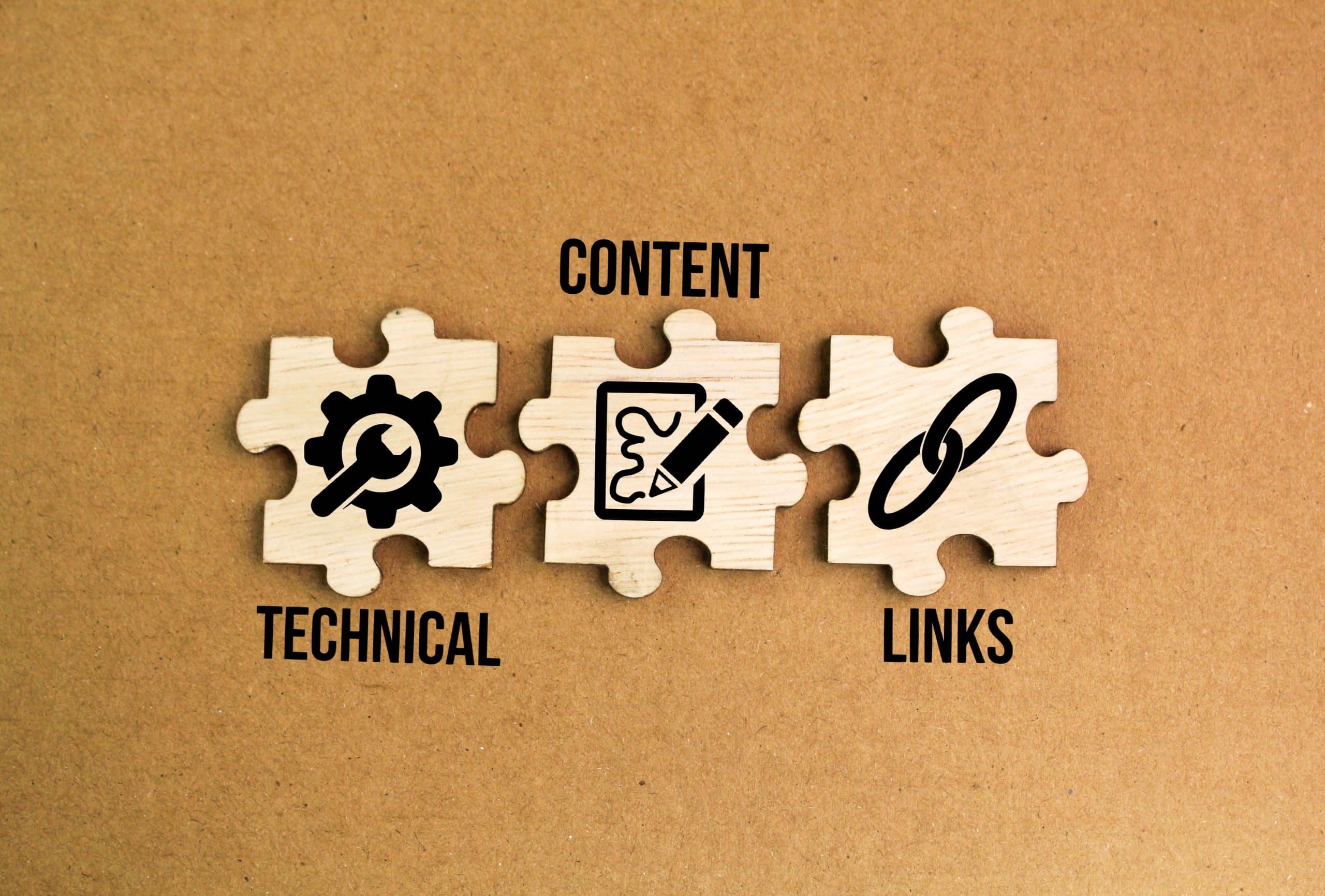
In the dynamic digital environment of 2025, content marketing, website design, and SEO form a triumvirate essential for online success. Skimping on any one element weakens the entire system. High-quality content draws people in, but if the site design hampers readability or navigation, visitors will leave—and search engines will notice. On the other hand, well-designed websites can only achieve their full potential if they’re regularly updated with engaging, valuable content.
The takeaway? Treat content as a core asset. Align it with your site’s layout, optimize it for both users and search engines, and keep refining based on data and feedback. If you do this consistently, you’ll see improvements in rankings, user engagement, and ultimately, conversions. In a world overflowing with online noise, offering authentic, compelling content is the smartest way to stand out and thrive.