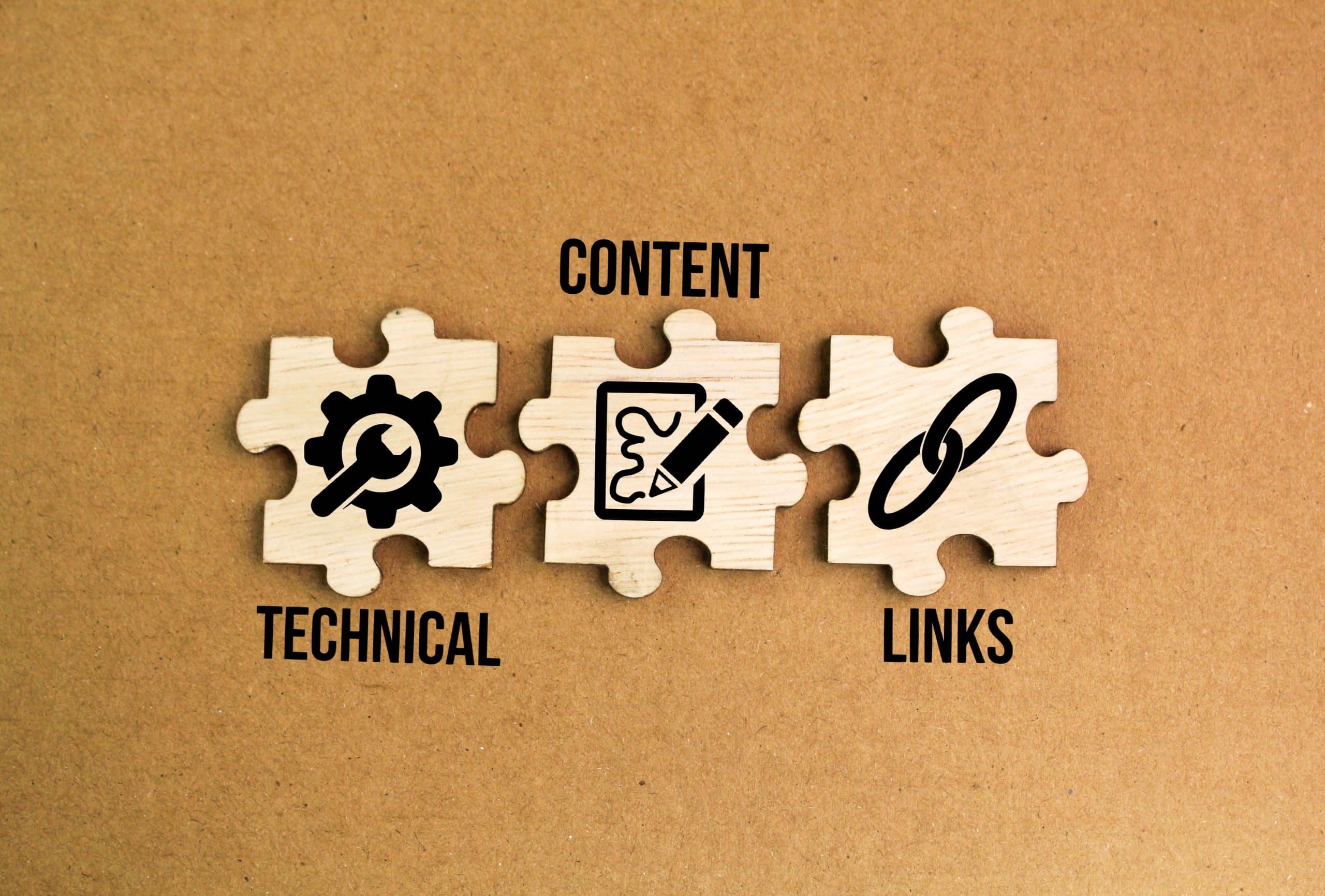

Search Engine Optimization (SEO) can often seem complicated and overwhelming to business owners who aren’t immersed in digital marketing on a daily basis. However, as 2025 unfolds, SEO is no longer optional for those looking to stay competitive online—it’s a critical piece of the puzzle for brand visibility, customer acquisition, and long-term sustainability. Over the years, the way search engines rank websites has become more sophisticated, focusing heavily on delivering the best possible user experience and the most relevant content. This means that outdated practices like keyword stuffing or buying low-quality backlinks are not just ineffective—they can actively harm your website’s credibility.
In this blog, I will break down the core pillars of modern SEO in a way that is accessible to newcomers. We’ll explore essential concepts like keyword research, on-page optimization, and the role of backlinks. By the end, you’ll understand why these elements matter and how they fit together to help your business thrive in the competitive online landscape of 2025.
1. The New Landscape of SEO
SEO began as a relatively straightforward endeavor, focusing on placing the right keywords in the right places. However, Google’s algorithms are now advanced enough to evaluate multiple facets of a website, including content quality, page experience, mobile-friendliness, and more. Here are some major shifts you should be aware of:
User Intent: It’s not just about ranking for keywords; it’s about matching user queries with the content that solves their problems. Google’s ability to interpret search intent means you need to provide more in-depth, valuable content.
AI and Machine Learning: Algorithms like Google’s RankBrain use machine learning to analyze how users interact with search results, adjusting rankings accordingly. This means your website must be designed to keep visitors engaged.
E-A-T Principles: Expertise, Authority, and Trustworthiness (E-A-T) have become a pivotal framework in evaluating the legitimacy of a website, especially in industries like healthcare, finance, and law.
In 2025, SEO is as much about understanding people and delivering value as it is about optimizing pages for search engine crawlers. Businesses that fail to adapt to these user-centric trends find themselves lagging behind.
2. Keyword Research: The Foundation of SEO
Keywords remain the backbone of SEO, but their usage has evolved significantly. While you still need to know which phrases or terms people are typing into search engines, you can no longer just stuff these words everywhere on your site and expect to rank.
Long-Tail vs. Short-Tail Keywords
- Short-tail keywords (e.g., “shoes”) are broad, generate a high search volume, and are extremely competitive.
- Long-tail keywords (e.g., “best running shoes for knee support”) are more specific, have lower search volume, but attract highly targeted users who are closer to making a purchase decision.
Tools and Techniques
In 2025, there are countless tools—both free and paid—that can help you identify high-potential keywords. Google Keyword Planner, Semrush, and Ahrefs are among the popular choices. These platforms can show you search volumes, competition levels, and keyword variations you might not have considered.
User Intent Analysis
Instead of just listing out keywords, ask yourself why a user is searching for that term. Are they looking for information, a product, or a local service? Tailoring your content to meet these intentions will help you stand out in search rankings.
3. On-Page Optimization: Showcasing Your Relevance
On-page SEO refers to all the elements you can control within your own website. Optimizing these signals helps search engines understand what your page is about and how it can help users.
Title Tags and Meta Descriptions
- A well-crafted title tag is succinct yet descriptive. It should include your primary keyword near the beginning.
- Meta descriptions should expand on the title, offering a clear and concise summary of the page content. While meta descriptions aren’t a direct ranking factor, they can significantly impact click-through rates.
Header Tags and Structured Content
- Use H1 tags for main titles, H2 for subheadings, and so forth. This logical structure makes it easier for both users and search engines to navigate your content.
- Incorporate relevant keywords naturally in these headings.
Quality and Relevance of Content
- Long-form, well-researched content often performs better because it covers a topic in depth.
- Break up text with bullet points, images, or infographics to improve readability.
Internal Linking
- By linking to other relevant pages on your site, you help search engines map out your site’s structure.
- Internal links can also keep visitors on your site longer by guiding them to related content.
4. Backlink Building: Earning Authority
Backlinks are still one of the most powerful signals search engines use to gauge a website’s authority. A single link from a well-regarded domain can often be more valuable than dozens of links from low-quality sites. But in 2025, the emphasis is firmly on earning these links through authoritative content and reputable relationships rather than obtaining them through manipulative methods.
Guest Posting and Thought Leadership
- Contributing articles to industry websites or well-known publications can both position you as an expert and earn you credible backlinks.
- Make sure your guest articles offer genuine insights or data. Mediocre content will not be accepted by reputable platforms.
Content That Attracts Links
- Research-based content, case studies, and in-depth tutorials often attract natural backlinks.
- Leverage multimedia elements like infographics and interactive tools to encourage sharing.
Building Relationships
- Attend industry events, webinars, and forums. Networking with fellow experts can lead to collaborative opportunities, which in turn can earn you more links.
- Avoid link exchanges or paid link schemes. These practices can result in penalties that are difficult to recover from.
5. The Impact on Visibility and Revenue
If you’re a business owner wondering why all this talk about keywords, on-page optimization, and backlinks matters, the answer is simple: visibility in search results directly correlates to potential revenue. Think of search engine rankings as a prime real estate billboard. The higher you rank, the more likely potential customers are to see and click on your listing.
Brand Credibility
- Appearing on the first page of Google is akin to a badge of credibility. Most users rarely scroll to page two, so first-page presence is critical.
- Being visible for industry-specific search terms also positions you as a leader in your field.
Targeted Traffic
- Traditional advertising often casts a wide net, but SEO focuses on people actively searching for your products or services.
- High-intent visitors are more likely to convert into paying customers, making SEO one of the most cost-effective marketing tactics.
Long-Term Sustainability
- Unlike paid advertising, where visibility disappears the moment you stop paying, SEO investments can yield results for years.
- Consistent optimization ensures that your site remains relevant and continues to attract new audiences.
6. SEO Pitfalls to Avoid
Many business owners fall victim to misleading shortcuts or quick fixes that promise rapid results. While these may produce short-lived successes, they often incur penalties from search engines that can devastate rankings in the long term.
Keyword Stuffing
- Overusing keywords leads to awkward-sounding text and a poor user experience. Search engines have become highly adept at identifying this spammy tactic.
Duplicate Content
- Copying material from other sites or duplicating your own pages can confuse search engines.
- Always strive for original, high-value content.
Poor Website Structure
Difficult navigation, broken links, and slow loading speeds turn visitors away and signal low quality to Google.
Mastering the Technical Side: Your Website’s Foundation for Success
While content quality and backlinks are core pillars, technical SEO ensures your website is accessible and efficient behind the scenes. This encompasses elements like site speed, mobile responsiveness, SSL certificates for security, and proper indexing.
- Site Speed: In 2025, users expect near-instant loading times. Google also prioritizes fast sites in its rankings.
- Mobile-First Indexing: Google primarily uses the mobile version of your site for ranking and indexing. If your mobile experience is poor, expect lower search visibility.
- Structured Data: Implementing schema markup can help search engines better understand your content, sometimes leading to rich snippets in search results.
8. Measuring and Refining Your SEO Strategy
Even if you implement all the best practices, continuous monitoring is essential to maintain and improve your search rankings. This is where analytics and reporting come into play.
Key Performance Indicators (KPIs)
- Organic Traffic: Track the volume of visitors arriving via search engines.
- Keyword Rankings: Monitor shifts in your positions for target keywords.
- Conversions: Ultimately, how many visitors are taking desired actions, such as filling out a form or making a purchase?
Tools to Use
- Google Analytics and Google Search Console: Essential for understanding where your visitors come from, how they behave, and how search engines perceive your website.
- SEO Platforms: Third-party tools like Semrush, Ahrefs, and Moz provide deeper insights into keyword performance, backlinks, and competitor analysis.
Continuous Improvement
- SEO is not a one-and-done endeavor; algorithms evolve, and competitor strategies change.
- Regularly review your performance data and adjust your content, keywords, and backlink strategies as needed.
9. How to Get Started
If you’re brand new to SEO, the learning curve may feel steep, but here’s a simple roadmap:
Audit Your Current Website
- Identify technical issues, such as broken links or slow-loading pages.
- Evaluate your existing content for quality and relevance.
Develop a Content and Keyword Strategy
- Define core topics that resonate with your target audience.
- Plan out content that addresses different stages of the customer journey, from informational blog posts to product-specific landing pages.
Implement On-Page and Technical Fixes
- Update title tags, meta descriptions, and header tags.
- Ensure your site is responsive, secure (HTTPS), and loads quickly on both desktop and mobile.
Focus on Quality Backlinks
- Reach out to industry influencers or authoritative sites for guest posting opportunities.
- Create shareable, valuable content that naturally attracts links.
Track, Measure, and Refine
- Use analytics to see what’s working and what isn’t.
- Adapt your strategy based on data, not guesswork.
Mastering the Technical Side: Your Website’s Foundation for Success
In the digital marketplace of 2025, SEO is the linchpin that holds your online visibility together. Far from being an optional add-on, it’s a comprehensive approach to ensuring your target audience finds you amidst the ever-growing sea of competitors. It combines art and science—balancing user-centric content, technical optimization, and strategic link-building to deliver both immediate and long-term value.
By mastering the fundamentals—keyword research, on-page optimization, and backlink building—you set the stage for sustainable growth. You don’t have to become an SEO expert overnight, but understanding the basics helps you make informed decisions, whether you’re doing the work in-house or partnering with an agency. With consistent effort and a willingness to adapt to changing algorithms, your business can reap the rewards of higher visibility, greater brand authority, and a steady influx of qualified leads. Embrace the power of SEO now, and watch your online presence flourish in the competitive environment of 2025 and beyond.