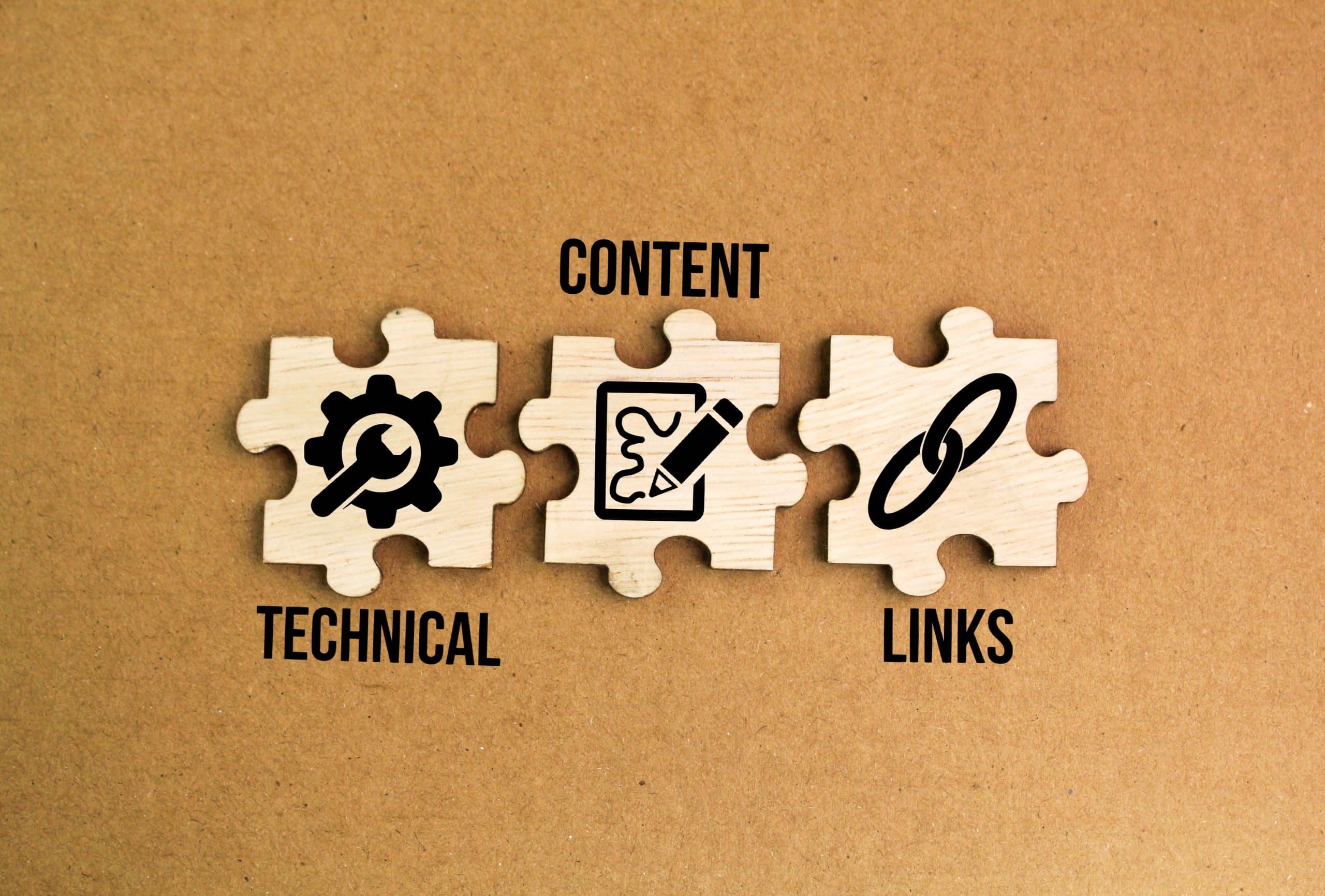

In the ever-evolving landscape of digital marketing, content optimization remains a crucial factor for success in search engine rankings. As we move into 2025, the strategies for optimizing content have become more sophisticated, driven by advancements in artificial intelligence, machine learning, and user behavior analysis. This comprehensive guide will explore the latest techniques and best practices for content optimization, ensuring your website stays ahead in the competitive world of search engine results pages (SERPs).
Understanding Modern Search Intent
The foundation of effective content optimization in 2025 lies in a deep understanding of search intent. Modern search engines, particularly Google, have become incredibly adept at interpreting the user’s purpose behind a query. To optimize your content effectively:
- Categorize keywords by intent: Identify whether a keyword is informational, navigational, or transactional.
- Analyze SERPs: Study top-ranking pages to understand how search engines interpret specific queries.
- Tailor content to match intent: Create content that directly addresses the user’s needs, whether it’s a tutorial, product review, or data-driven guide.
By aligning your content with search intent, you increase the likelihood of ranking higher and attracting more relevant traffic to your website.
Advanced Keyword Research and Optimization
While keywords remain essential in 2025, the approach to keyword research has evolved significantly. Modern content optimization requires a more nuanced strategy:
- Focus on long-tail keywords: These specific phrases often convert better due to their targeted nature.
- Utilize AI-powered tools: Leverage advanced keyword research tools that incorporate machine learning to uncover valuable opportunities.
- Analyze keyword difficulty and search volume: Strike a balance between popular terms and those you can realistically rank for.
- Incorporate semantic search principles: Use related terms and concepts to create comprehensive content that addresses a topic thoroughly.
Remember, keyword stuffing is obsolete. Instead, focus on creating natural, conversational content that incorporates keywords seamlessly while providing value to the reader.
Crafting High-Quality, Comprehensive Content
In 2025, content quality remains paramount. Search engines prioritize in-depth, authoritative content that thoroughly covers a topic. To optimize your content:
- Create long-form, detailed articles: Comprehensive guides tend to rank higher in search results.
- Implement the E-E-A-T principle: Showcase Expertise, Experience, Authoritativeness, and Trustworthiness in your content.
- Use structured data and schema markup: Help search engines understand your content’s context and improve SERP visibility.
- Optimize for featured snippets: Structure your content to increase chances of appearing in “position zero” on SERPs.
By focusing on creating valuable, well-researched content, you not only improve your search rankings but also establish your website as a trusted resource in your industry.
Technical SEO: The Foundation of Success
A solid technical foundation is crucial for content optimization in 2025. Ensure your website meets these technical requirements:
- Mobile optimization: With mobile-first indexing, your site must perform flawlessly on mobile devices.
- Page speed optimization: Use tools like Google PageSpeed Insights to identify and fix slow-loading elements.
- Implement proper URL structure: Use short, keyword-rich URLs for better SEO performance.
- Optimize internal linking: Link from high-authority pages to those needing more visibility.
- Ensure crawlability and indexability: Regularly audit your site for errors like broken links or missing pages.
By addressing these technical aspects, you create a solid foundation for your content to rank well in search results.
Leveraging AI and Machine Learning
Artificial intelligence and machine learning have become integral to search algorithms and content optimization strategies in 2025:
- Use AI-powered content analysis tools: These can help predict user intent and optimize content accordingly.
- Implement natural language processing (NLP): Create content that aligns with how people naturally speak and ask questions.
- Utilize AI for personalization: Tailor content to individual user preferences and behaviors.
- Employ machine learning for SEO analytics: Gain insights into complex interactions between various SEO factors.
By embracing AI and machine learning in your content optimization efforts, you can stay ahead of the curve and deliver more relevant, personalized content to your audience.
Optimizing for Voice Search and Zero-Click Searches
As voice search continues to grow in popularity and zero-click searches become more prevalent, optimizing for these trends is crucial:
- Focus on natural language and conversational keywords: Optimize for how people speak rather than type.
- Provide direct answers: Structure content to appear in featured snippets and answer boxes.
- Optimize for local SEO: Voice searches often have local intent, so ensure your local SEO is on point.
- Create FAQ sections: These can help capture voice search queries and featured snippets.
By adapting your content to these emerging search behaviors, you increase your chances of visibility in various search scenarios.
Enhancing User Experience and Engagement
In 2025, user experience plays a significant role in content optimization and search rankings:
- Improve Core Web Vitals: Focus on loading speed, interactivity, and visual stability.
- Create engaging, visually appealing content: Use images, videos, and infographics to enhance user engagement.
- Optimize for mobile user experience: Ensure your content is easily readable and navigable on mobile devices.
- Encourage user interaction: Implement features that promote comments, shares, and time spent on page.
By prioritizing user experience, you not only improve your search rankings but also increase the likelihood of converting visitors into loyal readers or customers.
Continuous Monitoring and Optimization
SEO is an ongoing process, and content optimization in 2025 requires constant vigilance:
- Use advanced analytics tools: Monitor key metrics like organic traffic, bounce rates, and conversion rates.
- Conduct regular content audits: Identify and update underperforming content.
- Stay informed about algorithm updates: Keep abreast of changes in search engine algorithms and adjust your strategy accordingly.
- A/B test your content: Experiment with different formats, headlines, and structures to optimize performance.
By consistently monitoring and refining your content, you ensure that your optimization efforts remain effective in the face of changing search landscapes.
Your Journey to SEO Excellence Starts Here
Content optimization for modern search engines in 2025 requires a multifaceted approach that combines technical expertise, high-quality content creation, and a deep understanding of user intent and behavior. By implementing these advanced strategies and staying adaptable to emerging trends, you can ensure your content not only ranks well in search results but also provides genuine value to your audience. Remember, the key to successful SEO lies in creating a seamless, relevant user experience across all channels while leveraging the power of AI and data-driven insights.