
Quality Score Explained: Why It Matters and How to Improve It
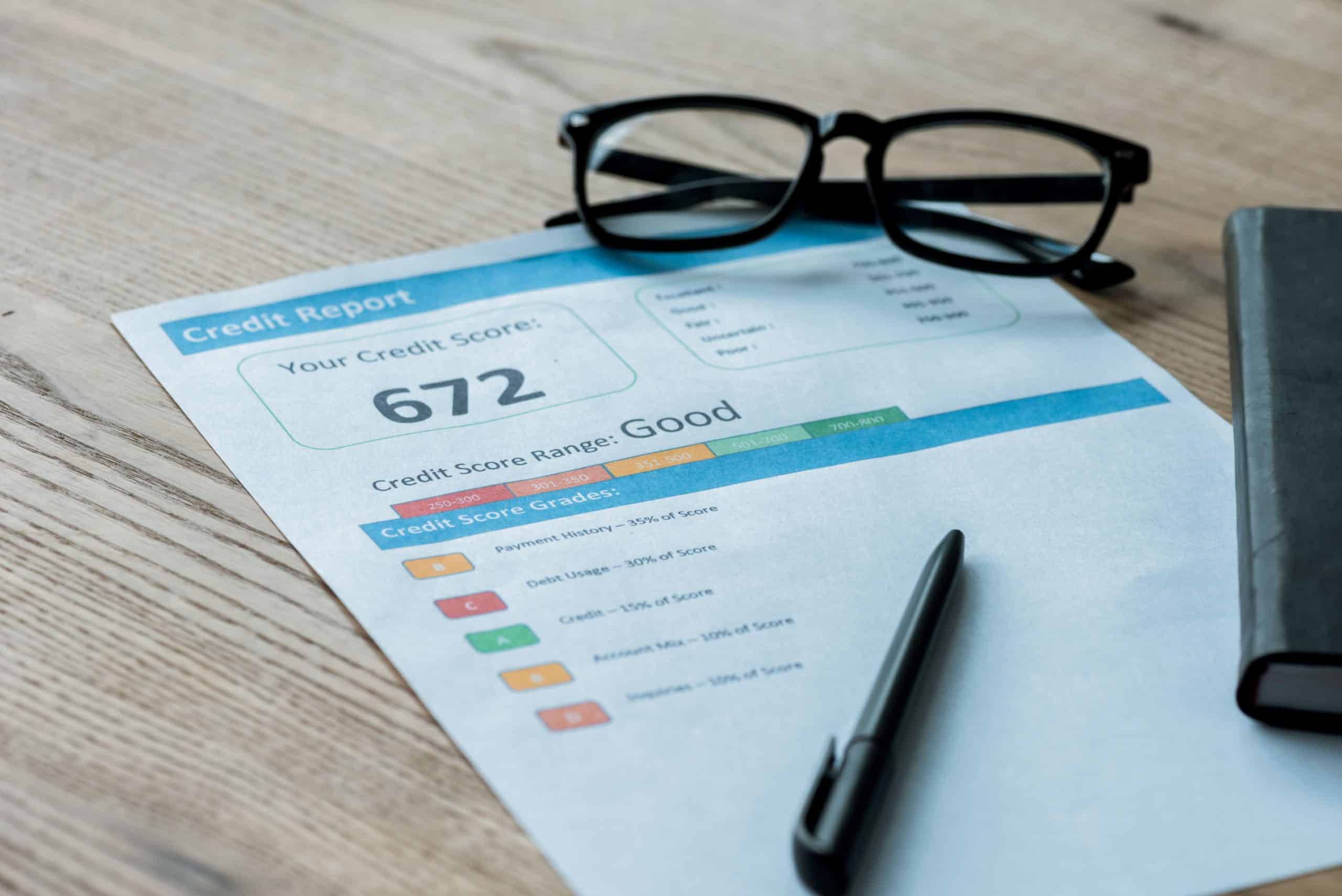
When it comes to Pay-Per-Click (PPC) advertising, success isn’t just about how much you bid or how catchy your ad copy is. Google (and other search engines) want to ensure that their users see the most relevant, high-quality ads. Enter Quality Score—a metric that can significantly influence your ad positioning and costs. Despite its importance, many advertisers overlook Quality Score or fail to grasp its full potential. As a PPC specialist who has helped dozens of clients improve their campaign performance, I’m here to shed light on what Quality Score is, why it matters, and how you can systematically boost it for better returns. Think of a quality score like a credit score for your business, in the eyes of advertisers. Many factors influence this score and we can help!
1. What Is Quality Score?
Definition: Quality Score is a 1–10 rating assigned by Google Ads (and to a lesser extent by Microsoft Advertising), reflecting the relevance and user experience of your keywords, ads, and landing pages. It’s Google’s way of ensuring that the ads people see align closely with their search queries.
Components:
- Expected Click-Through Rate (CTR): Google’s projection of how likely users are to click your ad.
- Ad Relevance: How closely your ad copy matches user intent and the targeted keyword.
- Landing Page Experience: The relevance, usability, and content quality of the page users land on after clicking your ad.
Quality Score is evaluated at a keyword level, though it also factors in broader performance signals like your account history. A high Quality Score can reduce your cost-per-click (CPC) and improve your ad rank, letting you pay less for a better placement.
2. Why Quality Score Matters
- Lower CPC: Google rewards high-performing ads with a discount. If your Quality Score is above average, you’ll often pay less for each click compared to an advertiser with a lower score bidding on the same keyword.
- Better Ad Positions: Ad Rank is calculated from your maximum bid and your Quality Score. Even with a moderate bid, you can outrank competitors with poor Quality Scores.
- Increased ROI: By aligning your ads with user needs, you naturally earn higher click-through rates and conversions. This synergy reduces wasted spend, amplifying the impact of each dollar spent.
- User Satisfaction: Search engines aim to keep users happy. Ads that align precisely with user queries produce a smoother experience, incentivizing Google to reward you with higher impressions.
3. Deconstructing the Elements of Quality Score
While Google doesn’t reveal the exact weighting of each component, we know they revolve around user experience and ad relevance. Let’s break down each element:
Expected CTR
- Historical Performance: Google examines past click behavior on your keyword and ads. If you historically earn a higher CTR than competitors on the same term, you’ll be favored.
- Ad Copy: The more compelling and relevant your headlines and descriptions, the more likely users will click.
Ad Relevance
- Keyword Usage: If your targeted keyword is “blue running shoes,” your ad text should explicitly mention “blue running shoes,” not just “athletic footwear.”
- Granular Ad Groups: Grouping closely related keywords ensures your ad text can precisely mirror searchers’ intent.
Landing Page Experience
- Message Match: The landing page should reflect your ad’s promise. If your ad offers “20% off blue running shoes,” your page should feature that discount prominently.
- Usability: A fast, mobile-friendly site with intuitive navigation encourages users to explore rather than bounce.
- Relevance: The page content must address the user’s query, not force them to hunt for information or deals.
4. Diagnosing Low Quality Scores
Low CTR
- Symptom: Users see your ad but don’t click. Often indicates poor ad copy or mismatched keywords.
- Fix: Test new headlines or adjust your match types. If you’ve gone too broad, you may be appearing for irrelevant searches.
Poor Ad Relevance
- Symptom: A mismatch between your ad text and your targeted keywords.
- Fix: If you’re grouping 50+ keywords in a single ad group, break them into tighter themes. Insert the primary keyword into your headline and ad descriptions.
Landing Page Problems
- Symptom: Users click your ad but quickly bounce or fail to convert.
- Fix: Speed up load times, strip away clutter, and ensure the page instantly delivers on the ad’s promise.
5. Strategies to Boost Your Quality Score
Improving Quality Score isn’t about a single magic trick; it’s a holistic approach to delivering the right message to the right audience.
1. Keyword Organization
- Tighter Ad Groups: Instead of dumping all “running shoes” keywords into one group, create separate groups for “blue running shoes,” “women’s running shoes,” “trail running shoes,” etc. Each group can then have ads specifically addressing that subtopic.
- Match Types: Using exact or phrase match ensures closer alignment with user intent, often raising CTR. But keep some broad match keywords to discover new search terms—just be diligent with negative keywords to maintain relevance.
2. Ad Copy Refinement
- Keyword Insertion: If your ad’s headline includes the user’s exact search term, it instantly signals relevance. Dynamic Keyword Insertion (DKI) can automate this, though you must ensure the dynamic text flows logically.
- Emotion & Urgency: Phrases like “Limited Time Offer,” “Free Trial Ends Soon,” or “Exclusive Deal” can boost CTR, provided your page backs these claims.
- A/B Testing: Don’t guess which message resonates. Test two or three variations per ad group, letting performance data pick the winner.
3. Landing Page Optimization
- Message Match: Reiterate the ad’s language on the landing page. If your ad states “Free 30-Day Trial,” greet users with “Start Your 30-Day Trial Now.”
- Minimal Distractions: Strip out unnecessary links, sidebars, or unrelated content that could divert the visitor from your main CTA.
- Fast Load Time: Use tools like Google PageSpeed Insights or GTmetrix. Compress images, enable caching, and consider a Content Delivery Network (CDN) to accelerate load speeds.
4. Leveraging Ad Extensions
- Sitelinks: Direct users to deeper pages if relevant (e.g., “Men’s Shoes,” “Women’s Shoes,” “Sale Items”).
- Callouts & Structured Snippets: Highlight shipping perks, brand values, or product categories.
- Location & Call Extensions: For local businesses, these can demonstrate immediate relevance to nearby searchers.
These extensions often lift CTR, indirectly supporting your Quality Score.
5. Negative Keyword Lists
- Purge Irrelevant Clicks: If your ad for “designer handbags” is triggered by “cheap handbags,” negative out “cheap.”
- Ongoing Refinement: Continually check search terms to see if new phrases appear that you don’t want to pay for. Minimizing wasted spend leads to better engagement metrics, thus better Quality Score.
6. How Fast Can You Improve Quality Score?
Quality Score changes can happen within days, but sustaining improvements requires consistent optimization. If you overhaul your ad copy, reorganize keywords, and fix your landing pages, you might see a bump within a week or two—though your historical CTR also factors in. Keep in mind that if you have brand-new keywords with no performance data, Google’s system needs time to gather enough metrics to assign a stable Quality Score.
Common Misconceptions
- Overemphasis on CTR: CTR is vital but not everything. You could have a high CTR by using clickbait headlines but fail to convert. This approach may even hurt your landing page experience and overall ROI.
- One-Time Fix: Quality Score optimization isn’t “set it and forget it.” Markets shift, competitor actions change, and your website evolves. Periodic reviews keep your account fresh.
- All Keywords Must Have a Score of 10: Achieving a perfect 10 is rare for competitive keywords. Strive for above-average (7–9) to enjoy most of the benefits.
7. The Link Between Quality Score and Profitability
A strong Quality Score means cheaper clicks for the same ad positions—reducing your cost per acquisition (CPA). Even a modest improvement in Quality Score across your account can free up budget you can reinvest or funnel toward new keyword opportunities. Over time, these compounding gains can significantly boost profitability. For instance, raising your average Quality Score from 5 to 7 might slash CPC by 20–30%, enabling you to outcompete rivals or scale your campaigns further.
8. Monitoring and Adjusting Quality Score
Google Ads displays Quality Score columns in your keyword reports, often with sub-scores for expected CTR, ad relevance, and landing page experience. Watch for:
- Sudden Dips: Could an ad experiment have lowered CTR? Did your website speed degrade?
- Plateaus: If your score stagnates at 5 or 6, deeper restructuring might be necessary—like new ad group splits or a landing page overhaul.
- Seasonal Changes: Keywords can fluctuate in relevance seasonally. A product might be more relevant during holidays, improving CTR for that period.
9. How a PPC Specialist Can Help
Improving Quality Score is part art, part science. My role as a PPC specialist involves:
- Diagnosis: I review your account structure, ad copy, and landing pages to identify stumbling blocks.
- Implementation: From reorganizing ad groups to rewriting copy, I ensure every step aligns with best practices to nudge your scores upward.
- Testing & Iteration: Using a systematic approach to A/B testing, I verify which changes truly enhance CTR and conversions without harming ROI.
- Long-Term Maintenance: Markets evolve, and so must your campaigns. I regularly revisit your data to keep you competitive and budget-efficient.
Discover how mastering your Quality Score can lower your PPC costs, boost your ad rankings, and drive more conversions—starting with simple, actionable steps.
Quality Score stands at the heart of a successful PPC campaign. It’s the engine that drives cost efficiency, ad position gains, and user satisfaction. By combining relevant ad copy, tightly themed keyword groups, and a well-designed landing page, you send a powerful signal to Google that your ads deserve top billing. Not only do you pay less per click, but you also stand a better chance of converting each visitor who lands on your page.
Yet, optimizing Quality Score isn’t a one-time fix—it’s an ongoing commitment to aligning your ads with genuine user intent and delivering a stellar on-site experience. If you’re ready to transform your Quality Score from a liability into a competitive advantage, I’m here to guide you. With the right strategy, testing framework, and continuous attention to detail, you’ll see how Quality Score improvements ripple through your entire PPC program—reducing costs, boosting conversions, and solidifying your brand’s reputation in the eyes of search engines and prospective customers alike.