You’ve invested time and money into crafting the perfect PPC ads, pinpointing just the right keywords, and fine-tuning your bids. But once users click through, do they find a landing page that convinces them to buy, sign up, or otherwise engage? In many PPC campaigns I’ve managed, the biggest lost opportunity isn’t in the ad itself—it’s on the landing page. A subpar landing page can sabotage an otherwise stellar campaign, inflating your cost per acquisition and missing out on prime conversions.
This blog explores how to align your landing pages with your PPC ads to deliver a frictionless user experience. We’ll cover everything from page speed and layout choices to A/B testing and advanced personalization. By the end, you’ll know how to transform a ho-hum page into a high-converting machine—ensuring you’re reaping every possible benefit from your paid clicks.
1. The Role of Landing Pages in PPC
A landing page is the dedicated webpage that users see after clicking your PPC ad. Its singular purpose is to convert that click into a desired action—be it a purchase, sign-up, or lead capture. Unlike a homepage, which might offer multiple paths for exploration, a landing page is streamlined, focusing on one main message. A well-optimized landing page:
- Delivers on the Ad Promise: If your ad touts a “Free Trial,” the page should immediately highlight the steps to claim it.
- Simplifies Decision-Making: By reducing clutter and irrelevant links, you guide visitors straight to your offer.
- Boosts Relevance and Quality Score: Google Ads rewards pages that closely match ad copy and user intent, which can lower your CPC.
2. Immediate Impact: Above the Fold
When a visitor arrives, the content they see without scrolling (above the fold) must validate their click. Include these essential elements right away:
Headline Matching Your Ad
Reiterate key words or phrases from the ad. For instance, if your ad promised “50% Off Designer Sunglasses,” the headline should mirror that exact offer.
Clear Value Proposition
State the core benefit. If you solve a problem—like “Get Faster Loan Approvals in 24 Hours”—display that claim prominently.
A Compelling CTA
Buttons or forms inviting immediate action. The CTA might read “Start Your Free Trial,” “Claim Your Discount,” or “Schedule a Consultation.”
If visitors must hunt for the offer your ad mentioned, they’ll likely bounce—raising your cost per conversion and diminishing ROI.
3. Streamlined Design and Layout
Simplicity
Present a clean, uncluttered layout. Avoid jam-packing the page with tangential information or unrelated navigation links.
Consistent Branding
Incorporate your brand colors, fonts, and logo so the user knows they’re in the right place. A mismatch can create distrust.
Bullet Points Over Text Walls
Scan-friendly design increases comprehension. Use bullet points or short paragraphs to highlight benefits.
White Space
Don’t fear negative space. Let your main offer and CTA breathe. This draws the eye to what matters most.
4. Building Trust and Credibility
Online shoppers and B2B buyers alike want assurance they’re making a sound decision. Incorporate trust elements:
Testimonials or Reviews
Real customer quotes or star ratings can boost conversions, but keep them specific and relevant to the offer.
Security Badges
If you handle payments or sensitive info, display SSL seals or recognized security logos.
Social Proof
Show total users, clients, or sales to validate your popularity. “Join Over 10,000 Happy Customers” can nudge fence-sitters.
Clear Refund or Return Policy
For e-commerce pages, mention if you offer hassle-free returns or guarantees. This eases buying anxiety.
5. Page Speed: The Silent Conversion Killer
Even the most persuasive layout fails if your landing page crawls. Slow loading times drive impatient users to hit the back button, spiking your bounce rate and harming Quality Score.
Optimize Images
Compress images using tools like TinyPNG or ShortPixel to reduce file sizes without sacrificing clarity.
Minify Code
Streamline CSS and JavaScript to cut down on overhead. Tools like Gulp or Webpack can automate this.
Use a CDN
A content delivery network ensures assets load quickly from servers nearest to the user.
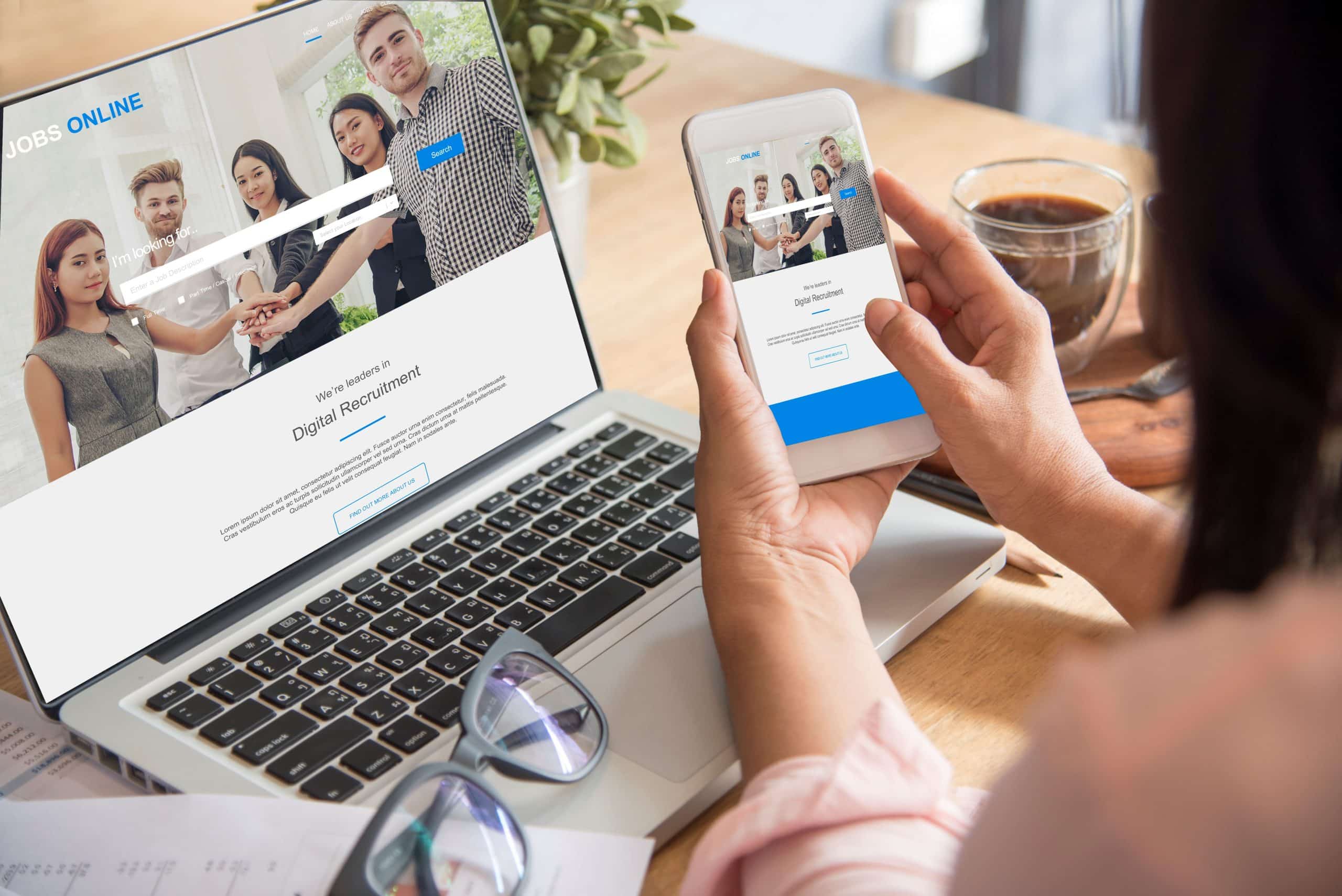
Mobile Responsiveness
Over half of many PPC clicks come from mobile devices. A landing page that doesn’t adapt smoothly will hemorrhage conversions.
6. Relevance and Message Match
Ad-to-Page Consistency
If your ad copy says “Free eBook on PPC Secrets,” ensure the landing page headline mentions “Free eBook” loud and clear. This continuity fosters trust.
Segmented Landing Pages
If you offer multiple product categories, consider separate landing pages for each ad group. For instance, an ad about “Men’s Running Shoes” links to a page exclusively focusing on that line, not your generic footwear page.
Keyword Integration
Place relevant keywords from your ad into the landing page content (like in subheadings or bullet points) without overstuffing. This helps with relevancy signals and Quality Score.
7. Writing Persuasive Copy
Focus on Benefits Over Features
Users don’t just want to read about product specs; they want to know how it solves their problem. If you sell accounting software, highlight how it saves time or reduces errors, not just its advanced reporting capabilities.
Address Pain Points
Acknowledge common frustrations your audience faces, then show how your product or service resolves them. Empathy can be a powerful motivator.
Use Action-Oriented Language
Words like “Discover,” “Boost,” or “Transform” can energize your copy. Avoid vague, corporate jargon that lacks emotional punch.
8. The Power of a Strong Call to Action (CTA)
Your CTA encapsulates the entire purpose of your landing page. Its clarity and visibility are paramount:
Keep It Visible and Above the Fold
While you can repeat a CTA further down, ensure there’s always one immediately visible without scrolling.
Use Contrasting Colors
If your brand palette is mostly blues and grays, a bright orange or green button can stand out.
Specific Wording
Instead of “Submit,” use action phrases like “Get My Free Quote” or “Start My Trial.”
Limit the Form Fields
The fewer fields you require (e.g., just name and email), the higher your completion rate typically becomes.
9. A/B Testing for Continuous Improvement
Landing page optimization is an iterative process. Regular A/B testing can tease out subtle differences that significantly impact conversions.
What to Test:
Headlines, CTA text/color, hero images, layout structures, or forms.
One Variable at a Time:
Changing multiple elements simultaneously makes it unclear which change drove the improvement or decline.
Statistical Significance:
Gather enough data to be confident in your results. Rushing to judgment can cause you to adopt a variant that performed better by chance alone.
Cycle of Optimization:
Even a winning variant can be tested further. Optimization is ongoing, reflecting changing user behaviors or new brand messaging.
10. Personalizing the Landing Page Experience
Thanks to advances in PPC targeting and marketing automation, personalization can elevate your landing pages from generic to hyper-relevant:
Geolocation
Adjust your headline or imagery based on user location. A local pizza delivery ad can greet visitors with “Your Chicago Pizza Experts” if they’re in Chicago.
Device-Specific Content
If someone clicks from a mobile device, highlight simpler one-click call or chat options. Desktop visitors might see a more detailed information layout.
Remarketing Campaigns
If your ad targets users who previously visited a product page, your landing page can greet them with a special discount or mention items they viewed.
11. Overcoming Common Landing Page Mistakes
Too Many Links: Direct your visitors toward one specific action, not half a dozen. If you must offer secondary info, tuck it below the fold or in collapsible sections.
Generic Stock Photos: Unauthentic, generic imagery can erode trust. Where possible, use original or high-quality brand-specific visuals.
Long, Overcomplicated Forms: Users have short attention spans. If you can’t keep the form minimal, consider progressive profiling—collect additional info over multiple steps or visits.
Forgetting Mobile: A landing page that looks great on desktop but breaks on mobile is guaranteed to lose conversions. Always preview your page on real mobile devices.
12. Monitoring and Refining Landing Page Metrics
Conversion Rate
The ultimate measure. If this is low, investigate user flow, page design, or ad-to-page message alignment.
Bounce Rate
A high bounce rate might indicate irrelevant content or a slow load time.
Session Duration
If users stay on-page for mere seconds, you may need clearer or more engaging content.
Scroll Depth
Tools like Hotjar can reveal if visitors are reading the entire page or abandoning halfway through. This can spark design improvements like rearranging content or adding anchors.
13. How a PPC Specialist Can Help
You might ask, “Can’t I just create my own landing pages and hope for the best?” Possibly—but a specialized approach often yields better returns:
- Strategic Alignment: I align your landing page messaging precisely with your PPC ads to boost relevancy scores and reduce CPC.
- Design & Copy Expertise: Drawing on proven best practices, I craft persuasive text and user-friendly layouts to maximize conversions.
- A/B Testing Rigor: With a disciplined testing framework, I can quickly identify top-performing variations.
- Ongoing Optimization: I don’t stop after launch. I monitor results, refine content, and watch for changes in user behavior or competitor activity.
Transform your landing pages into conversion powerhouses with proven strategies that turn clicks into customers and maximize your PPC ROI
Your PPC landing page is the final—and arguably most critical—stage of your paid search funnel. No matter how skillfully you select keywords or write ads, a suboptimal landing page can derail your entire campaign’s performance. By ensuring message match, optimizing design for clarity, employing robust trust signals, and running ongoing A/B tests, you’ll create a frictionless user journey that compels visitors to take action.
If you’re ready to turn more clicks into buyers, I’m here to guide you in crafting landing pages that resonate. From layout structure to copywriting, I’ll apply the same best practices and data-driven approach that have helped many clients significantly lower their cost per conversion. Let’s transform those ad clicks into tangible business growth, one optimized landing page at a time.