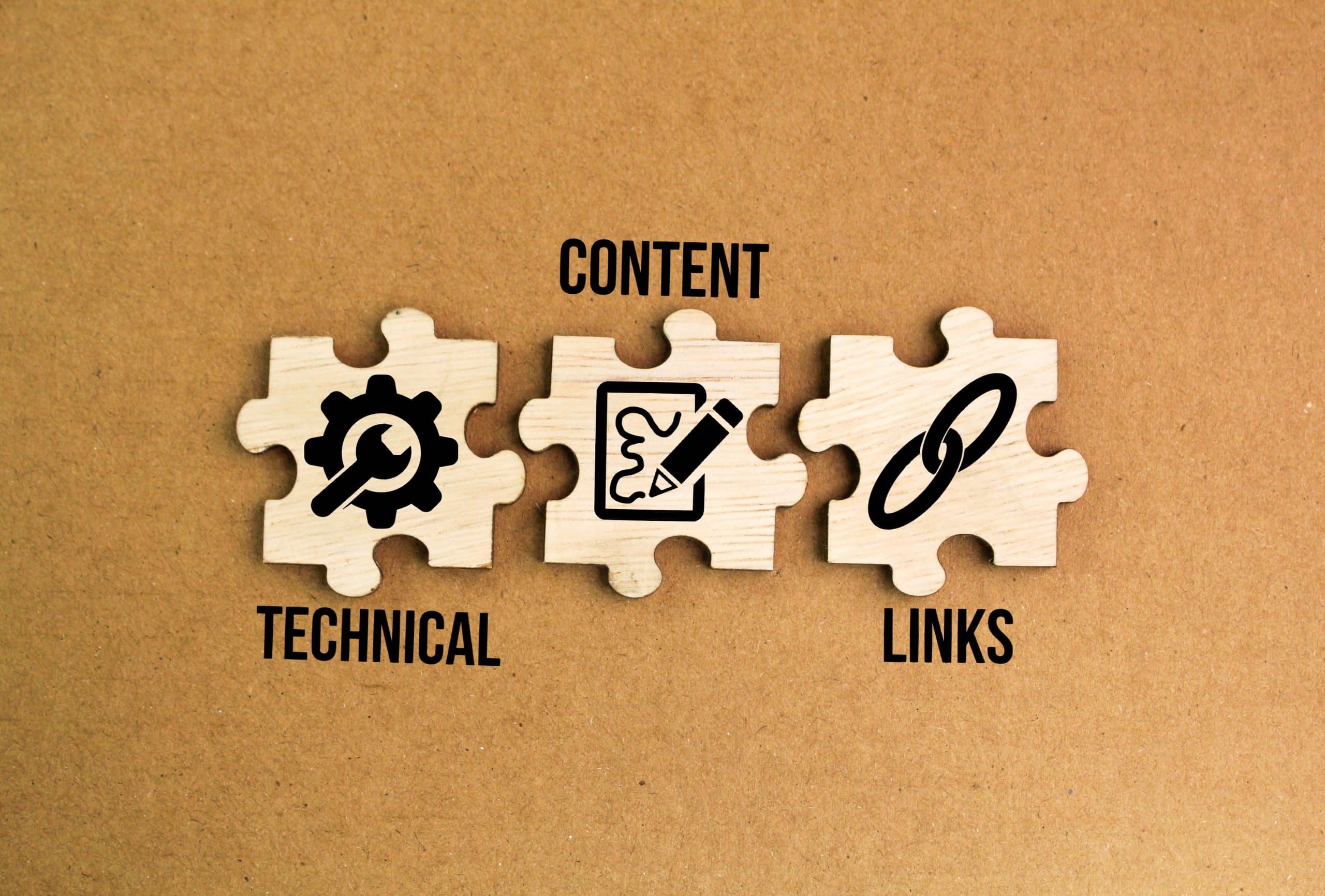
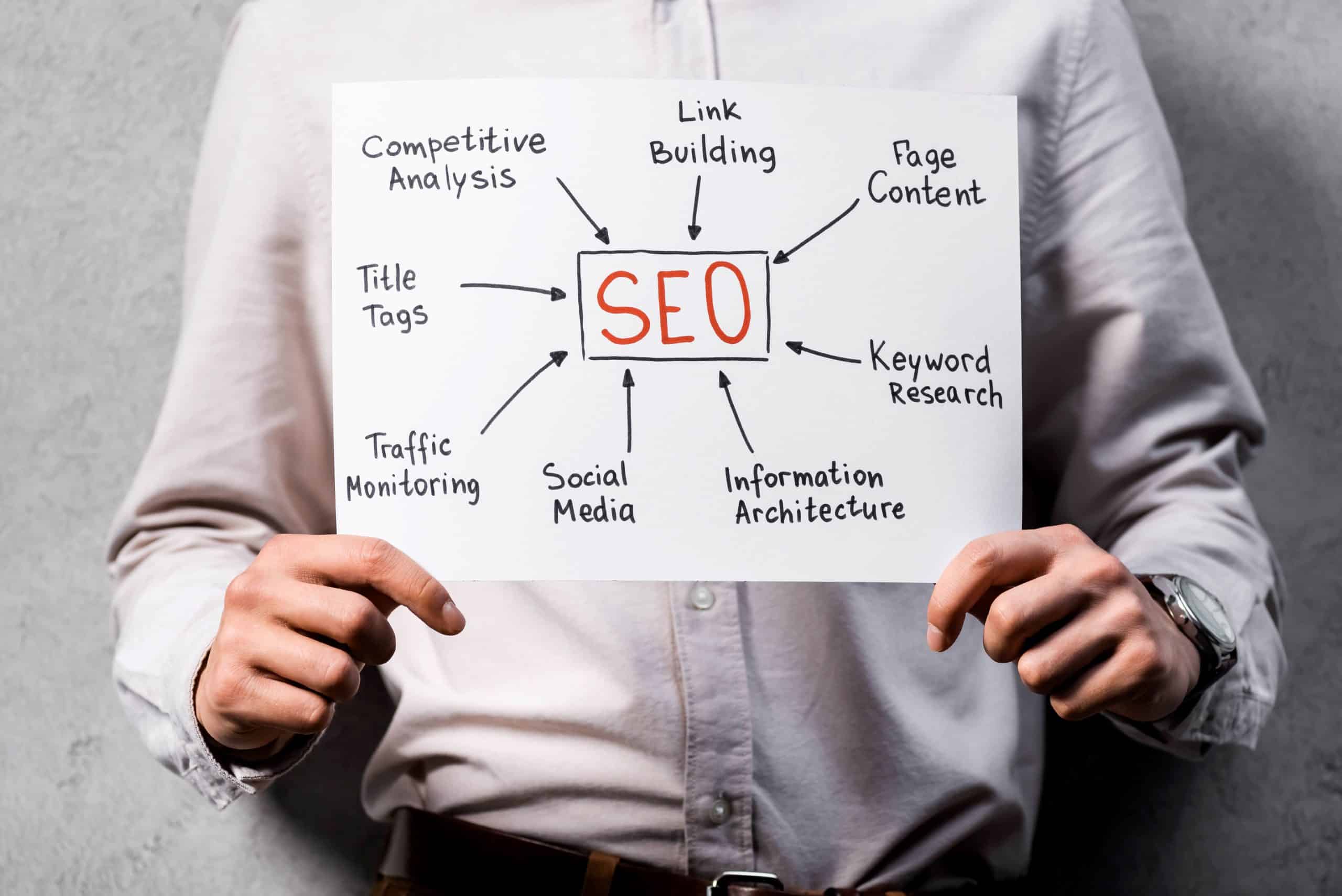
Search Engine Optimization (SEO) is a cornerstone of digital marketing, acting as the primary method for driving organic traffic to your website. When people think of SEO, they might immediately picture keywords or backlinks, but the discipline itself is divided into two broad categories: on-page SEO and off-page SEO. Understanding how these two pillars differ, and how they work in tandem, is essential if you want to maximize your online visibility in 2025.
In this blog, I’ll break down the key elements that define on-page and off-page SEO, shed light on best practices for both, and explain why ignoring either one can severely limit your website’s potential. Whether you’re new to the concept or looking to refine your existing strategy, these insights will help you navigate a digital landscape where competition is fiercer than ever.
1. Defining On-Page SEO
Content and Keywords
- On-page SEO revolves around optimizing the components of your website you have control over, primarily your content.
- Effective keyword usage ensures that search engines and users can quickly identify the relevance of your pages.
HTML Elements and Structure
- Title tags, meta descriptions, header tags (H1, H2, etc.), and alt text for images all play critical roles in conveying the context of your content.
- Proper structuring helps search engines crawl your site efficiently, boosting your chances of ranking well.
User Experience Factors
- Elements like site speed, mobile responsiveness, and clear navigation also fall under on-page SEO.
- Search engines consider these metrics to gauge how user-friendly your site is—a key factor in rankings.
2. Defining Off-Page SEO
Backlinks and Authority
- Off-page SEO focuses on building your website’s reputation and authority on the wider internet.
- High-quality backlinks from reputable websites act as votes of confidence, signaling to search engines that your site is valuable and credible.
Social Signals
- While social media links may not directly boost your search rankings, strong engagement on social platforms can increase brand visibility, leading to more organic searches and potential backlinks.
Brand Mentions and Reviews
- Mentions in reputable blogs, news outlets, or industry forums—even if they don’t include a direct link—can still bolster your authority.
- Online reviews on platforms like Yelp or Google Business Profile also influence how both users and search engines perceive your brand.
3. Why On-Page and Off-Page SEO Must Work Together
Balance of Relevance and Authority
- On-page SEO ensures your content is relevant and structured. Off-page SEO amplifies that content’s credibility through external validation.
- If your site excels in one aspect but lacks in the other, your SEO efforts will have a ceiling.
User Experience Meets Peer Endorsement
- Great on-page SEO delivers a smooth user experience, which can lead to social shares and natural backlinks—the essence of off-page SEO.
- Conversely, authoritative off-page signals mean little if users arrive at your site and find subpar content or poor usability.
Algorithmic Harmony
- Google’s algorithms evaluate multiple signals in tandem. A site with quality backlinks but poor on-page optimization or vice versa won’t achieve its full potential.
- By optimizing both, you send strong, consistent signals that your website is both valuable and user-friendly.
4. On-Page SEO Best Practices for 2025
Comprehensive Keyword Research
- Use tools like Semrush, Ahrefs, or Google Keyword Planner to discover not only primary keywords but also long-tail and semantic variations.
- User intent should guide your keyword strategy—focus on addressing real questions or needs your audience has.
Content Depth and Value
- Gone are the days when a 300-word article stuffed with keywords would suffice. In 2025, depth and quality are essential.
- Include data, research, and actionable insights. The more value you offer, the higher the likelihood of engagement and sharing.
Technical Excellence
- Ensure fast load times, clean code, and logical site architecture. These factors help search engines crawl efficiently and keep users on your site.
- Don’t overlook mobile responsiveness—Google’s mobile-first indexing makes this non-negotiable.
E-A-T (Expertise, Authoritativeness, Trustworthiness)
- Showcase your credentials, cite reputable sources, and maintain transparent business policies (privacy, returns, disclaimers).
- Highlight author information, especially if you’re dealing with “Your Money or Your Life” (YMYL) topics like finance or health.
5. Off-Page SEO Best Practices for 2025
High-Quality Backlinks
- Focus on earning links from sites with strong domain authority and relevance to your industry.
- Guest posts, interviews, and collaborative content are effective ways to build relationships and earn backlinks organically.
Online Reputation Management
- Encourage satisfied customers to leave reviews on platforms like Google Business Profile or industry-specific review sites.
- Actively monitor brand mentions to address any inaccuracies or negative experiences. Responding professionally can mitigate damage and even turn critics into advocates.
Influencer Collaborations
- Partner with influencers who align with your brand values. Their endorsements can direct a surge of relevant traffic to your site and potentially earn you natural backlinks.
- Authenticity matters; forced or irrelevant influencer partnerships rarely lead to sustainable off-page gains.
Social Media Engagement
- While social signals are not a direct ranking factor, they can amplify your content’s reach. The more people see and share, the greater the likelihood of earning backlinks.
- Regularly posting valuable content and engaging in discussions can solidify your brand’s standing as an authority in the space.
6. How to Integrate On-Page and Off-Page Strategies
Create Link-Worthy Content
- If your on-page content isn’t compelling or unique, you’ll struggle with off-page efforts. Develop resources such as in-depth guides, case studies, or interactive tools that others find valuable enough to link to.
Use Internal Linking Strategically
- Direct traffic from high-traffic pages to newer or less visible pages to boost engagement. Strong internal linking also signals content relationships to search engines.
Leverage PR and Thought Leadership
- Host webinars, publish whitepapers, or speak at industry conferences. These activities can result in media coverage and valuable backlinks.
- Thought leadership pieces that demonstrate your expertise often attract inbound links from peers, scholars, and even news outlets.
7. Measuring Success in 2025
Keyword Rankings and Organic Traffic
- Track your positions for target keywords and monitor corresponding organic traffic. Consistent upward trends usually indicate your strategies are paying off.
Domain Authority and Referral Traffic
- Tools like Moz or Ahrefs can give you a domain authority score, reflecting the overall SEO strength of your domain.
- Check your analytics for the quality of referral traffic; are visitors from external links staying on your site and converting?
Engagement Metrics
- High bounce rates or low time-on-site might indicate that your on-page content isn’t meeting expectations, even if your off-page strategy is bringing in visitors.
- Conversely, strong engagement metrics often lead to higher search rankings, creating a cycle of positive reinforcement.
8. Future Trends and Considerations
AI-Driven SEO
- Machine learning tools can analyze user behavior in real-time, prompting immediate adjustments to on-page content or link-building tactics.
- Stay updated on how AI impacts search algorithms to maintain a competitive edge.
Voice Search Optimization
- As voice-activated devices become more commonplace, question-based, long-tail keywords will grow in importance.
- Ensure your site is structured to answer voice queries succinctly, potentially landing your content in Google’s featured snippets.
Local SEO Expansion
- Google continues to refine local results. Off-page factors like local citations and reviews significantly influence how you rank in local pack results.
- On-page elements such as localized content and structured data also play a role, rounding out a holistic local SEO approach.
9. Avoiding Common Pitfalls
Ignoring One Side of SEO
- Some businesses pour all their resources into link-building, forgetting about user experience, or vice versa. Both aspects are crucial for sustainable success.
Relying on Outdated Tactics
- Keyword stuffing, link farms, or spamming social media no longer work. They can even result in penalties that are hard to recover from.
Inconsistent Branding and Messaging
- Off-page mentions must reflect the same brand values and messaging as on your site. A disconnect can confuse both users and search engines.
Bringing It All Together: The Future of SEO Success
In 2025’s hyper-competitive digital arena, a cohesive strategy that merges on-page and off-page SEO is indispensable for any business aiming to excel online. On-page SEO lays the groundwork by ensuring your content is aligned with user intent and your site meets technical standards for speed, mobile usability, and structure. Off-page SEO then amplifies your site’s credibility and reach through quality backlinks, social engagement, and brand mentions.
The synergy between these two pillars creates an environment where search engines not only see your site as relevant but also authoritative. You can’t afford to treat on-page and off-page SEO as separate or optional—it’s the combination of both that drives sustained visibility, user trust, and revenue growth. Whether you’re just starting out or looking to refine your approach, keep a balanced focus: master the art of building a high-performance website and earning a robust network of backlinks and brand mentions. That’s the key to standing out in 2025 and beyond.