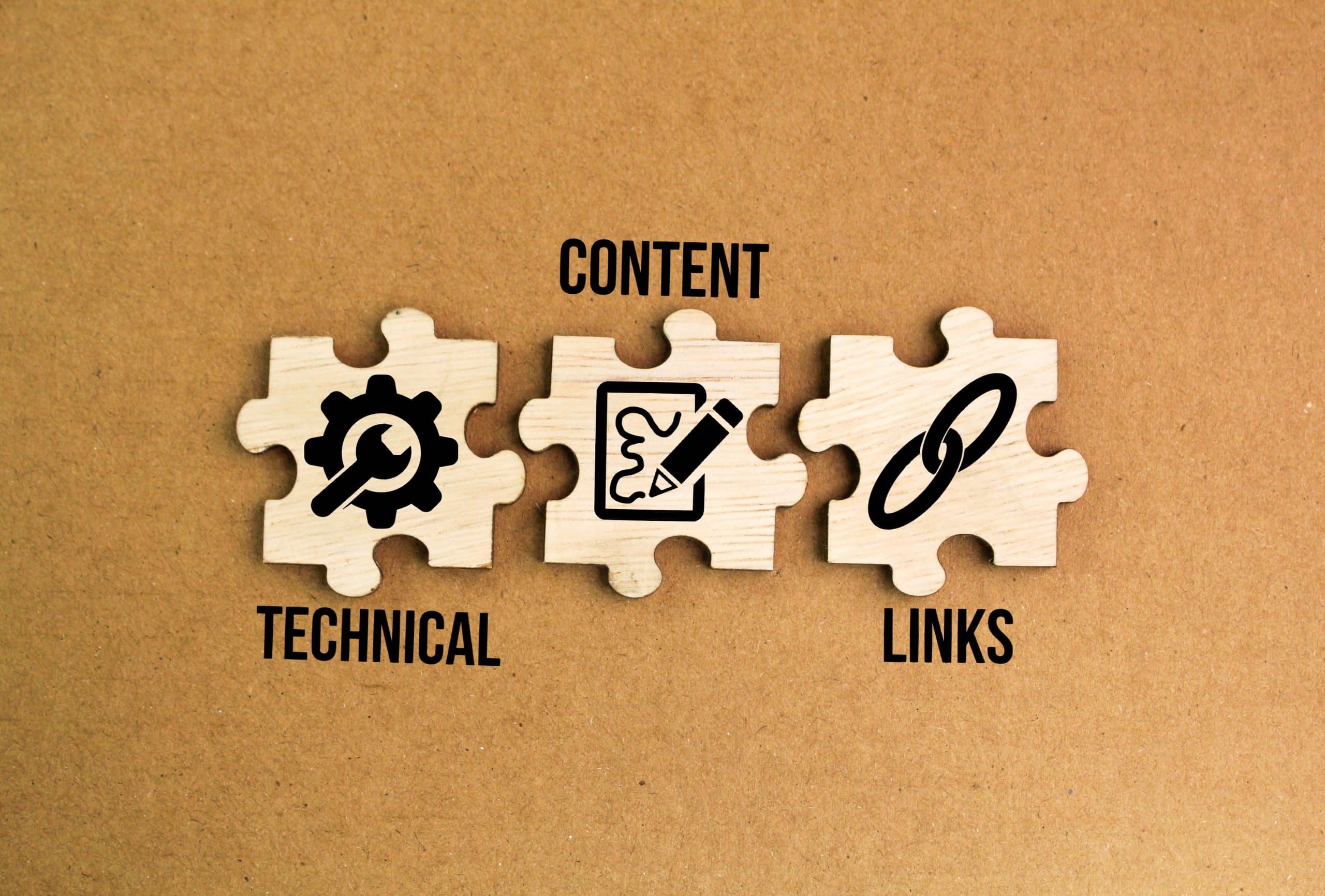

The Role of Content Marketing in Website Design and SEO
Content marketing, website design, and SEO are often treated like separate departments with separate goals. That is part of the problem. When those three pieces are disconnected, the site usually feels disjointed too. Design looks nice but says very little. SEO pulls in traffic to pages that do not convert. Content gets published without supporting the broader structure.
In a stronger system, content marketing does more than fill the blog. It supports the site architecture, reinforces service pages, improves internal linking, and gives design a real message to carry. That is the role content should play if you want the website to become a growth tool instead of a collection of isolated pages.
Why content marketing matters to both design and SEO
Search engines need clear content signals. Users need clear explanations, proof, and next steps. Design controls how that information is delivered, while content determines whether the page has anything worth reading in the first place. SEO connects both pieces by helping the right pages show up for the right searches.
If one side is weak, the whole system gets weaker. Good design cannot rescue vague copy. Good copy cannot fully carry a site with poor structure or weak usability. Good SEO cannot do much with pages that do not clearly explain the offer.
What content marketing should do on a modern business website
- Support priority service pages with related blog content and internal links.
- Answer pre-sale questions that visitors are already searching.
- Strengthen trust by showing expertise in a useful, readable way.
- Give the site more topical depth without creating keyword chaos.
- Help design decisions stay grounded in real messaging, not filler.
How content marketing shapes better website design
Strong content makes design easier because it creates clearer priorities. When the message is sharp, the layout can support it instead of trying to compensate for weak copy with visual tricks. Good content helps determine what deserves emphasis, what should be grouped together, and where calls to action belong.
That is one reason strong web design and development work should be tied to content planning early, not after the templates are already locked in. Pages tend to perform better when the structure is built around useful content instead of leaving content to fill the gaps later.
How content marketing supports SEO without creating clutter
Content marketing helps SEO when it strengthens topical depth and page relationships. It hurts SEO when it creates overlapping articles, vague targeting, or random posts with no connection to the service architecture. The goal is not “more content.” The goal is a content system that supports the right pages.
- Use service pages for core commercial intent.
- Use blog content to support those pages with adjacent questions and education.
- Link supporting posts back to the correct service pages.
- Avoid publishing multiple weak articles that compete for the same topic.
- Refresh old posts so they still fit the current positioning of the site.
That kind of structure is a lot more useful than a bloated archive full of disconnected opinions and vague marketing advice.
Where businesses usually get this wrong
They design first and ask what the site should say later
This usually creates attractive pages with thin messaging. The design carries too much of the burden and the content feels like an afterthought.
They publish blog posts with no internal-link plan
Without a clear internal-link strategy, blog content does very little to support the service pages that actually matter. That is why content planning and SEO services should not be split into separate conversations.
They mistake volume for authority
Publishing a lot of mediocre content rarely builds authority. It usually creates cleanup work. A smaller archive with better targeting and better structure is often more useful than a larger archive with no discipline behind it.
A smarter way to connect content, design, and SEO
- Start with service and keyword ownership so the site knows what each page is supposed to do.
- Build design around real messaging, proof, and next steps.
- Create supporting blog content that answers related questions and links back to the correct service pages.
- Review older content so it still fits the current structure and voice.
- Track how the whole system contributes to leads, not just traffic.
Content marketing works best when it is part of the site strategy
When content marketing, design, and SEO are aligned, the website becomes more coherent. The message is clearer. The structure makes more sense. The archive starts supporting the services instead of floating off on its own. That usually leads to stronger rankings, better engagement, and more confidence in what the site is actually doing.
If your website feels visually decent but strategically scattered, contact Momentum Metrics. We can help tighten the structure so your content, design, and search strategy stop pulling in different directions.
Frequently asked questions about content marketing, design, and SEO
Does content marketing still matter if a business already has strong service pages?
Yes. Supporting content can answer related questions, build topical depth, and create stronger internal links back to the core service pages.
Can good design make up for weak content?
Not for long. Good design can improve presentation, but if the message is vague or thin, the page still struggles to rank and convert.
Should blog content always link back to service pages?
Not every paragraph needs a sales link, but yes, supporting content should usually reinforce the relevant service or next step somewhere in a natural way.