Offline to Online: Creating Seamless Customer Experiences

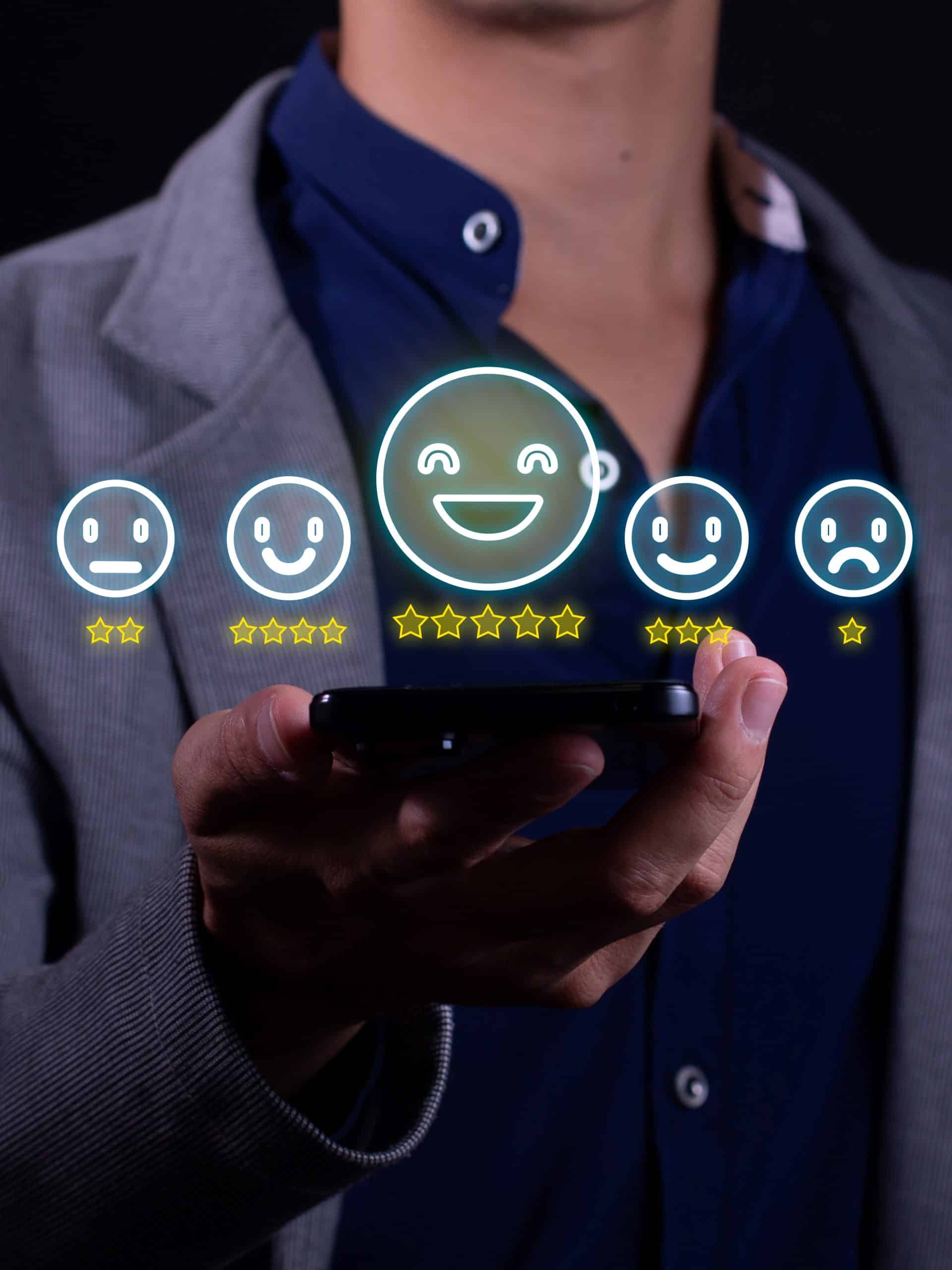
Momentum Metrics employee holding a smartphone with digital smiley faces and star ratings, illustrating positive customer experience feedback

In our digital-first world, it’s tempting to pour the bulk of your marketing resources into online channels—websites, social media, email newsletters, and so on. However, brick-and-mortar stores, in-person events, and traditional print ads still hold significant power. Customers these days don’t experience your brand in neat compartments; they move fluidly between offline and online spaces. They might discover you through a flyer, browse your website for more details, and ultimately make a purchase via your online store or vice versa. The challenge—and the opportunity—lies in making these transitions so smooth and cohesive that your audience barely notices they’re switching channels.

As a veteran cross-marketing specialist, I’ve seen many businesses struggle to maintain consistency when bridging physical and digital realms. This is especially true for those with strong roots in one domain—say, a local bakery that’s just starting an e-commerce venture or an e-tailer dipping its toes into pop-up shops. The good news is that with deliberate planning and cross-channel alignment, you can create an experience that not only delights your customers but also amplifies your brand’s presence. In this blog, I’ll guide you through the essentials of uniting your offline and online marketing to deliver a cohesive brand story that resonates from your physical store to your social feeds and everywhere in between.

1. The Value of Seamless Customer Experiences

Consumer Expectations Are Sky-High

Today’s shoppers aren’t just digital or physical—they’re both. They might discover your product through an Instagram ad, check inventory on your website, and then head to your store to try it in person. Or maybe they walk into your shop first, fall in love with a product, but only finalize the purchase online after comparing options at home. When these touchpoints feel disjointed or contradictory, you risk losing the sale—or worse, damaging customer trust.

Building Trust and Loyalty

A consistent experience fosters trust. If a customer finds conflicting prices, branding, or messaging between your in-store posters and your digital content, they question your professionalism. On the flip side, when everything lines up—promotions match, branding feels uniform, and staff can easily direct a customer from offline to online—you appear organized, competent, and invested in meeting their needs no matter where they interact with you.

Maximizing Visibility

Integrated campaigns that connect your offline and online efforts boost your brand’s overall impact. A simple example: if you’re hosting an in-store event, amplify it on social media and via email to drive attendance. Then, live-stream elements of the event or share highlights later to engage your broader digital audience. Each channel enriches the other, extending the lifespan and reach of your marketing initiatives.

2. Aligning Messaging and Branding Across Platforms

Consistent Visual Identity

Visual cues are powerful indicators of brand cohesion. This means using the same (or closely related) color schemes, fonts, and imagery in your store signage and your website, social media graphics, and print ads. Even small details—like having a matching brand logo or tagline across channels—signal to customers that they’re in the right place.

Unified Tone and Messaging

Just as your in-store associates might greet a visitor with friendly, knowledgeable language, your online communications should embody that same approachable vibe. If your brand prides itself on being witty and fun in face-to-face interactions, your email subject lines and social posts can carry a playful edge. By keeping the brand voice consistent, you avoid jarring your audience with sudden tonal shifts.

Cross-Channel Storytelling

Narratives deepen brand resonance. Suppose you’re celebrating 25 years in business. You might hang a timeline in your physical store showcasing milestones, then mirror that story on your website, sharing photos and anecdotes. Extend the story onto social media, perhaps featuring weekly “throwback” posts or behind-the-scenes videos. This way, no matter which channel a customer encounters, they get a piece of the same rich tapestry.

3. Bringing Offline Audiences Online

In-Store Promotions and Calls-to-Action

One easy way to bridge the physical-digital gap is by encouraging customers to interact with your online platforms while they’re still in your store. For instance, you could display QR codes that lead to your Instagram page, offer a discount if they sign up for your newsletter on-site, or provide a tablet kiosk where they can browse extended product lines. This invites them to continue engaging with your brand long after they leave the store.

Leveraging Traditional Advertising

If you invest in billboards, radio spots, or print ads, make sure they clearly direct audiences to an online hub—be it your website or a special landing page. Include a memorable URL or QR code so users can easily take the next step. When potential customers see consistency between the offline ad’s promise and your website’s message, they’ll be more inclined to explore further or complete a purchase.

Customer Data Collection

Gathering customer data ethically is a game-changer. If you host events or maintain a brick-and-mortar location, you can encourage sign-ups for loyalty programs or newsletters at checkout. By carefully linking this offline data to your customer relationship management (CRM) system, you can follow up with targeted online offers. The key here is transparency and value exchange—customers should receive real benefits (like exclusive offers or content) for sharing their information.

4. Extending Online Engagement to Offline Spaces

Pop-Up Events and Experiential Marketing

Online brands can generate buzz by temporarily setting up shop in physical locations—think of a fashion e-tailer hosting a weekend trunk show or a subscription snack box appearing at a local farmers’ market. These events create tangible experiences that help shape emotional connections. Make sure to document the event heavily on social media, posting live updates to bring your digital audience along for the ride.

Click-and-Collect Services

Increasingly popular, buy-online-pickup-in-store (BOPIS) models and curbside pick-up offer customers convenience and immediate gratification. If your website can integrate real-time inventory tracking, customers can quickly select items online, then swing by your location to grab them. This strengthens the interplay between your e-commerce platform and physical store, reducing shipping costs and offering a premium, in-person experience.

Shoppable Print Material

We’re seeing more brands incorporate QR codes or short URLs in printed catalogs and brochures, allowing readers to instantly learn more or complete a purchase online. If done tastefully, these scannable codes can be a modern twist on traditional marketing collateral—enhancing rather than detracting from the design.

5. Coordinated Events and Promotions

Simultaneous Launches

Whether it’s a seasonal sale or the debut of a new product line, coordinating launch dates across both physical and digital channels heightens excitement. An apparel brand, for example, might unveil its fall collection in-store and online on the same day. The cohesive momentum compels your audience to tune in wherever they feel most comfortable—and some may do both.

Incentivizing Cross-Channel Engagement

You can also run promotions that explicitly reward customers for engaging with your brand in multiple ways. For instance, they might unlock a special discount if they take a photo in-store and tag your brand on Instagram. Or online customers could receive a voucher for an exclusive in-store service. This tactic weaves your channels together, ensuring that neither space feels siloed.

Shared Hashtags and UGC Campaigns

Hashtags are a quick path to unify offline and online communities. If you host an offline event—like a workshop or a product demo—encourage attendees to post pictures or stories with a branded hashtag. That user-generated content (UGC) extends the event’s life online, providing social proof to those who couldn’t make it in person. Over time, this hashtag can serve as a digital scrapbook of your brand’s real-world experiences.

6. Ensuring Consistency in Customer Service

Staff Training

If you have a physical store, your employees on the floor should be just as well-versed in your online offerings as they are in the products in front of them. Customers may ask, “Do you also have this in a different color on your website?” or “How does your return policy work if I buy online?” Being able to answer confidently enhances credibility and reduces frustration.

Omni-Channel Support

Modern customers expect continuity in service. They might reach out via email, follow up in-store, or send a direct message on social media. A robust customer service protocol ensures that all these touchpoints funnel into a unified support system. If your online support reps are siloed from your in-store team, you risk mixed messages and missed opportunities.

After-Sales Engagement

Don’t let the relationship end at checkout, whether online or offline. Post-purchase emails, social media follow-ups, or invitations to in-store events can help maintain dialogue. If someone bought a gadget online, for example, invite them to an in-store workshop demonstrating advanced features. Alternatively, if they purchased something in-store, a personalized email could ask how they’re enjoying the product and offer tips or complementary items available online.

7. Measuring Your Success

Unified Analytics

Having separate analytics tools for brick-and-mortar and e-commerce is normal, but you need a strategy to unify the data. Point-of-sale (POS) systems that sync with your online CRM let you see a customer’s full purchase history. Meanwhile, track how offline marketing channels (like print ads) impact site visits or online purchases by using unique coupon codes or URLs.

Key Performance Indicators (KPIs)

  • In-Store Foot Traffic vs. Web Traffic: Does a social media campaign that targets local users correlate with a spike in physical store visits?
  • Online Conversions Following Offline Events: After a big in-store sale, do you notice more website registrations or newsletter sign-ups?
  • Customer Lifetime Value: Has merging your offline and online marketing improved the overall spend or retention rate of your shoppers?

By analyzing these KPIs, you’ll gain actionable insights for adjusting your strategies. If a big print campaign didn’t move the needle online, it might be time to refine your approach or channel that budget elsewhere.

8. Why Partner With Our Cross-Marketing Agency?

You may be thinking, “I have enough on my plate just managing my store or my e-commerce site. How do I ensure everything is perfectly synced?” That’s where our cross-marketing agency steps in. We understand that creating a seamless offline-to-online experience requires more than a few tactical tweaks—it demands a cohesive strategy, rigorous planning, and continuous optimization.

Here’s how we can help:

  • End-to-End Strategy: We assess your current offline and online presence, identifying gaps and designing a unifying roadmap.
  • Integrated Campaign Execution: Our team can develop and manage campaigns that straddle both physical events and digital channels, ensuring consistent messaging and style.
  • Analytics Mastery: We employ advanced tracking methods, from UTM parameters to POS integrations, to give you a holistic view of performance.
  • Ongoing Optimization: Rather than leaving you with a one-off campaign, we iterate based on data, refining your cross-channel approach over time to keep pace with shifting consumer preferences.

By entrusting us to handle the intricacies of your omni-channel marketing, you gain the freedom to focus on your strengths—innovating products, delighting customers, and growing your brand.

Ready to Transform Your Customer Experience?

Bridging the gap between the physical and digital worlds is no longer optional if you want to remain relevant and competitive. Customers expect your brand to be omnipresent, offering consistent, compelling experiences whether they’re scrolling through their feed at home, strolling past your storefront, or glancing at a print ad in their favorite magazine. The pay-off is substantial: deeper brand loyalty, better data on consumer behavior, and a more robust competitive edge in an ever-evolving market.

Your Next Moves:

  • Audit Your Touchpoints: Step into your customers’ shoes. Evaluate your website, social media profiles, store layout, in-store signage, and print ads to identify inconsistencies.
  • Develop a Unifying Narrative: Determine what story you want to tell across channels. Is it a focus on quality craftsmanship, community involvement, or premium customer service? Weave that narrative into each platform, offline and online.
  • Leverage Technology: If you haven’t already, consider investing in POS systems that integrate with your CRM. Use dynamic URLs or QR codes to track offline traffic leading to your website.
  • Collaborate and Train: Ensure your team—both in-store and in your marketing department—are aligned. Keep lines of communication open, discussing campaign details, upcoming promotions, and changes to product listings.
  • Partner With Experts: Reach out to our cross-marketing agency for a tailored solution that’s built around your unique brand identity and objectives.

From simple strategies like linking promotional materials to your website via a QR code, to more elaborate campaigns like hosting synchronized online-offline product launches, every business can capitalize on creating seamless customer journeys. The trick is to start now—analyzing where your offline and online experiences collide and smoothing those intersections. With thorough planning, consistent branding, and the willingness to adapt, you’ll deliver the kind of experiences that keep customers coming back, eager to explore every facet of your brand. And in today’s crowded marketplace, that holistic brand devotion is worth its weight in gold.

Leave a Comment

Scroll to Top